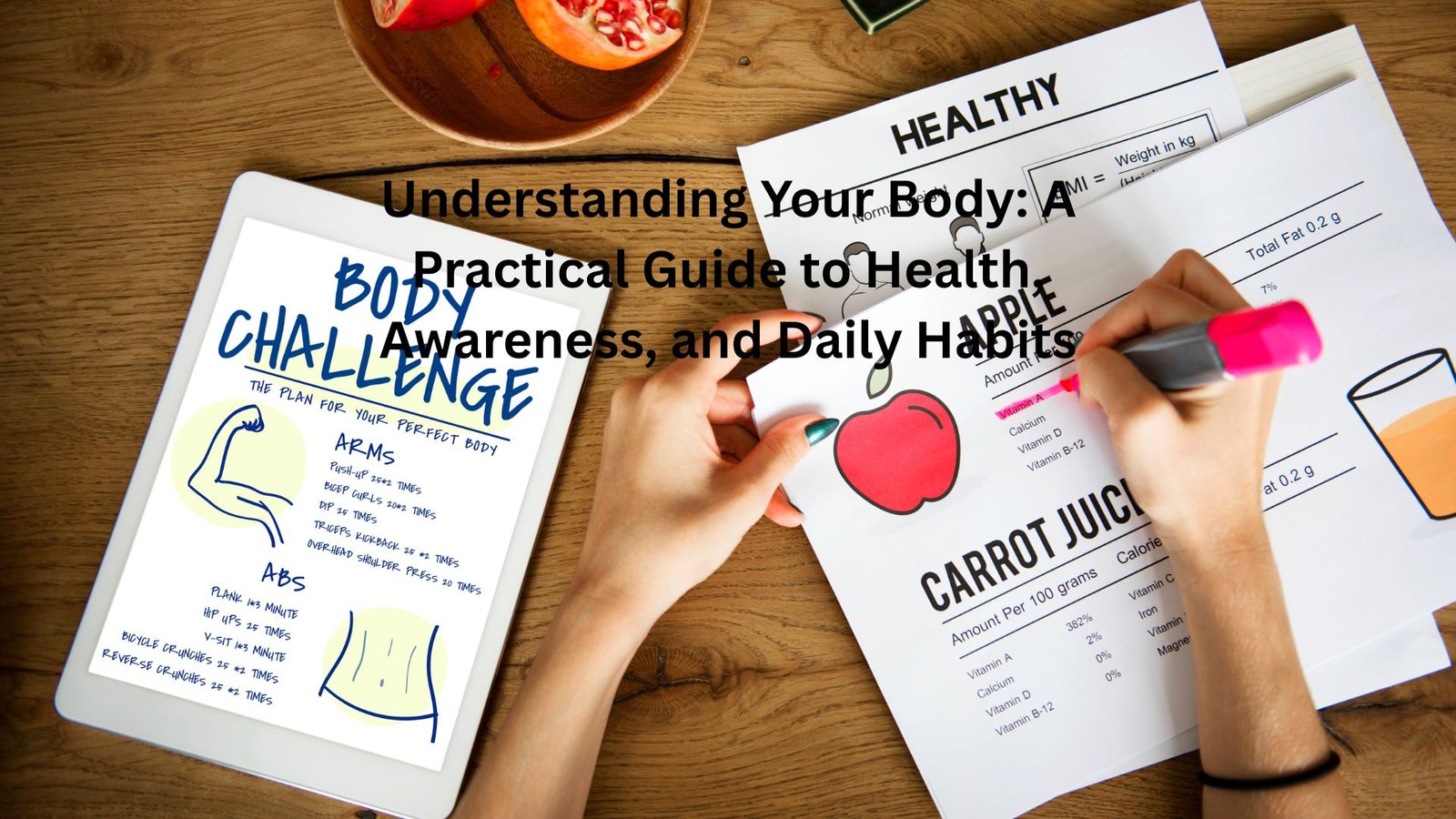
Most people grow up learning bits and pieces about how the human body works, yet few of us ever get a full picture. Life gets busy, routines take over, and it becomes easy to ignore the signals our bodies send. Still, everything from mood to motivation comes from how well we understand our own systems. This article breaks things down in a way that feels simple, human, and useful. You will learn how to build body awareness, strengthen your physical health, support your mental health, and form daily habits that keep your life steady.
Along the way, I share a few quick stories and step-by-step actions that readers often find helpful. Everything here is written in clear, conversational language so anyone can follow it.
Why Understanding Your Body Matters
When you understand how your body reacts to stress, food, movement, and sleep, you take back control. Knowledge reduces fear and confusion. It also improves your ability to make decisions about wellness, nutrition, exercise, and self-care.
I once coached a friend named Sam who felt tired all the time. He thought something serious was wrong. After we talked through his daily habits, he realized he was skipping breakfast, staying up past midnight, and barely drinking water. A few simple changes transformed his week. Sometimes the problem is not dramatic. You just need clarity.
Building Real Body Awareness
Body awareness means paying attention to what your body is telling you. It is the foundation of every healthy lifestyle. Without it, habits feel like guesswork.
Step 1: Slow down
You cannot understand anything if you rush through your day. Take one minute each morning to ask yourself how you feel. Are you tired, tense, restless, or calm?
Step 2: Notice patterns
Your body speaks through repetition. If you get a stomach ache every afternoon, something is triggering it. If your energy drops after lunch, your meal choices may be the cause.
Step 3: Track without obsessing
Write down three things each day:
- Energy level
- Mood
- Any physical symptoms
This simple log helps you catch patterns early.
Step 4: Listen to discomfort
Pain and tension are signals, not inconveniences. Addressing them early often prevents bigger problems.
Growing up, my aunt used to say, “Your body is polite at first. It whispers. If you ignore it, it starts raising its voice.” She was right.
Supporting Your Physical Health
Good physical health is not about perfection. It is about giving your body what it needs to function well.
1. Move your body every day
Movement does not need to be intense. A walk, a stretch session, or a few minutes of light practice can improve circulation, focus, and mobility.
Semantically relevant keywords: exercise, mobility, physical activity, strength training
A friend of mine hated working out. He said gyms were intimidating. So we tried something simple. We walked for fifteen minutes each morning. After a month, he felt lighter, slept better, and even started jogging. Progress can be gentle.
Step-by-step: How to build a movement habit
- Choose an activity you do not dread.
- Start with five minutes.
- Increase your time slowly.
- Celebrate consistency, not intensity.
2. Eat in a way that supports your body
Food fuels everything. When you understand nutrition, your choices get easier. Your body needs protein, fiber, healthy fats, and steady carbohydrates.
Semantically relevant keywords: balanced diet, metabolism, nutrient density, hydration
Instead of aiming for a perfect diet, try this: make one small upgrade each week. Swap sugary drinks for water. Add one serving of vegetables. Reduce fast food by one meal. These changes stack up.
Step-by-step: How to improve your diet
- Drink water before each meal.
- Add a source of protein to breakfast.
- Include color on your plate.
- Limit processed snacks.
- Eat mindfully and slowly.
3. Prioritize rest and recovery
Your body repairs itself during sleep. Without enough rest, your mental health, hormones, and immune system all suffer.
Semantically relevant keywords: sleep hygiene, circadian rhythm, fatigue management
When I was in college, I stayed up until two or three every night. I thought feeling exhausted was normal. It took one week of sleeping at consistent hours to feel like a different person. Rest is underrated.
Step-by-step: Better sleep
- Go to bed at the same time daily.
- Keep your room dark and cool.
- Limit screens one hour before bed.
- Do a slow breathing exercise.
Strengthening Your Mental Health
A healthy mind and a healthy body rely on each other. When stress builds, the body reacts with tight muscles, headaches, or digestion issues.
Semantically relevant keywords: stress management, mindfulness, emotional regulation, resilience
1. Understand your stress signals
Everyone reacts differently. Some people tighten their shoulders. Others lose focus. Recognizing your pattern is the first step.
2. Create mental check-ins
Ask yourself throughout the day:
“How am I feeling”,
“What triggered that feeling”,
“What do I need right now”
3. Learn simple mindfulness skills
Mindfulness does not require sitting on the floor in silence. You can practice it while brushing your teeth or cooking. Pay attention to sensations, smells, sounds, and textures.
4. Build emotional resilience
Resilience grows every time you do something slightly uncomfortable. It grows when you finish a task you want to avoid. It grows when you choose patience instead of frustration.
I once worked with a client named Maya who felt overwhelmed at work. Her to-do list scared her, so she avoided it until everything piled up. Together, we built a tiny habit: she wrote down her top three priorities every morning. Ten minutes of planning changed her entire week.
Creating Daily Habits That Support Long-Term Health
Long-lasting change does not come from intense effort. It comes from small habits practiced often.
Semantically relevant keywords: healthy habits, lifestyle changes, routine building, behavior change
1. Start with one habit at a time
Trying to change everything at once leads to burnout. Choose one habit that offers the biggest impact.
2. Use the “trigger” method
Attach a new habit to something you already do. Stretch after brushing your teeth. Drink water after you sit at your desk. Take a short walk after lunch.
3. Keep habits simple
A habit should take less than two minutes to start. If it is complicated, you will skip it.
4. Track your wins
Progress is real even when it is small. Checking off a simple habit gives your brain a reward and builds momentum.
Improving Your Relationship With Your Body
A large part of health involves the relationship you have with yourself. Many people carry years of judgment, comparison, or frustration. Changing this mindset takes time, but it is possible.
Semantically relevant keywords: body positivity, self-acceptance, self-image, confidence
Try these steps
- Speak to yourself the way you would speak to a friend.
- Appreciate what your body can do instead of focusing on flaws.
- Limit social comparison.
- Wear clothes that feel comfortable.
- Celebrate small improvements.
One of my favorite stories comes from a woman who hated her legs. She covered them for years, even in summer. One day she decided she was tired of feeling trapped. She wore shorts to the store and came home smiling because no one cared. That was the moment she realized most of her limitations lived only in her mind.
A Full Step-by-Step Routine You Can Start Today
Here is a simple routine designed to improve wellness, body awareness, and daily balance.
Morning
- Drink a glass of water.
- Spend one minute scanning your body.
- Do five minutes of light movement.
- Eat a breakfast with protein.
Midday
- Take a short walk.
- Drink water again.
- Notice your posture and adjust.
Evening
- Reflect on your mood and energy.
- Stretch for five minutes.
- Prepare a consistent bedtime.
Follow this for one week and see how you feel. Most people notice better energy, clearer thinking, and a calmer mood.
Common Mistakes People Make
1. Focusing on perfection
Perfection is impossible. Consistency matters more.
2. Changing too much at once
Small steps lead to steady progress.
3. Ignoring the basics
Water, sleep, and movement seem simple, but they change everything.
4. Letting one bad day ruin the week
A setback is not a failure. Reset and move on.
Final Thoughts
Understanding your body is not a complicated science project. It is a daily partnership. Your body supports you through stress, excitement, work, rest, responsibilities, and every challenge life sends your way. When you treat it with care, attention, and patience, it responds with better energy, clearer focus, and more confidence.
Start with one small change today. Build slowly. Pay attention to how you feel. With time, you will create a healthier and more grounded version of yourself.
